PlotWeaver Meets Lagos State Film & Video Censors Board: Rethinking Compliance in Nigerian Cinema
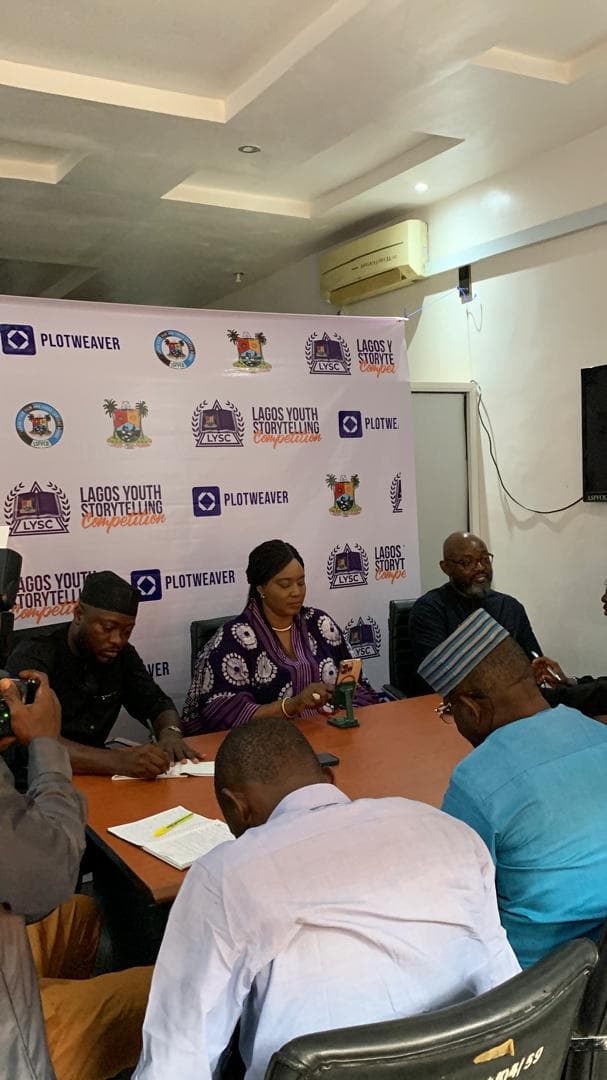
When PlotWeaver met with leadership from the Lagos State Film & Video Censors Board in Lagos, the conversation wasn’t about restrictions or gatekeeping. It was about timing and how regulatory awareness can become part of the creative process instead of an obstacle that appears at the end.
Nigeria produces an enormous volume of film each year, yet many projects encounter compliance issues only after production is complete. By that point, changes are expensive, delays are disruptive, and creative compromises become unavoidable. The shared question in the room was simple: what if filmmakers could anticipate regulatory concerns before committing time and resources?
PlotWeaver’s proposal centered on shifting censorship awareness upstream. Rather than treating compliance as a final checkpoint, the idea is to embed early guidance into script development, helping creators understand how their work aligns with regulatory expectations while the story is still flexible.
The Lagos State Film & Video Censors Board exists not only to classify content, but to preserve cultural standards while supporting a thriving industry. Technology, in this context, becomes a support system, a way to surface potential concerns early so filmmakers can make informed decisions without last-minute surprises.
The discussion quickly expanded beyond process efficiency. Both teams acknowledged a broader cultural responsibility. Nigerian storytelling carries identity, language, and values that resonate far beyond entertainment. When productions rush or overlook context, that cultural grounding can weaken. The goal is not tighter control, but better preparation, giving creators tools that help them protect the integrity of their work while navigating regulatory realities.
Education emerged as another shared priority. Many filmmakers learn through experience rather than formal systems, which can make compliance feel unpredictable. Embedding guidance earlier in development helps normalize professional standards, showing that creativity and regulation are not opposing forces but complementary disciplines.
The meeting also opened conversation around wider collaboration, from youth engagement to industry standardisation, all rooted in the same principle: strengthening the infrastructure behind Nigerian cinema so that creative ambition is matched by reliable execution.
At its core, this collaboration reframes regulation as an enabler rather than a barrier. When filmmakers understand expectations early, they gain confidence. When regulators receive better-prepared submissions, the entire process becomes smoother. The result is an ecosystem where storytelling moves forward with fewer disruptions and greater clarity.
If successful, this model has implications beyond Lagos. Film industries across Africa face similar tensions between creative freedom, cultural preservation, and regulatory oversight. Demonstrating that technology and institutions can collaborate constructively offers a blueprint for how these forces can reinforce one another instead of competing.
What began as a meeting about compliance ultimately reflected something larger: a shared commitment to modernising the systems around Nigerian filmmaking without compromising its voice. By aligning innovation with cultural stewardship, both organizations are exploring how infrastructure can quietly elevate the creative process.
For filmmakers, it signals a future where regulatory awareness becomes part of smart planning rather than last-minute correction. For the industry, it represents a step toward more predictable workflows and stronger professional standards. And for audiences, it means stories that arrive intact, culturally grounded, thoughtfully executed, and ready for the screen.
For partnerships or more information about PlotWeaver’s compliance-focused production tools, contact wole@plotweaver.app.
Because strong storytelling deserves systems that support it from the very beginning.
Never Miss an Update!
Get monthly insights on African AI, cinema, and our journey building in public